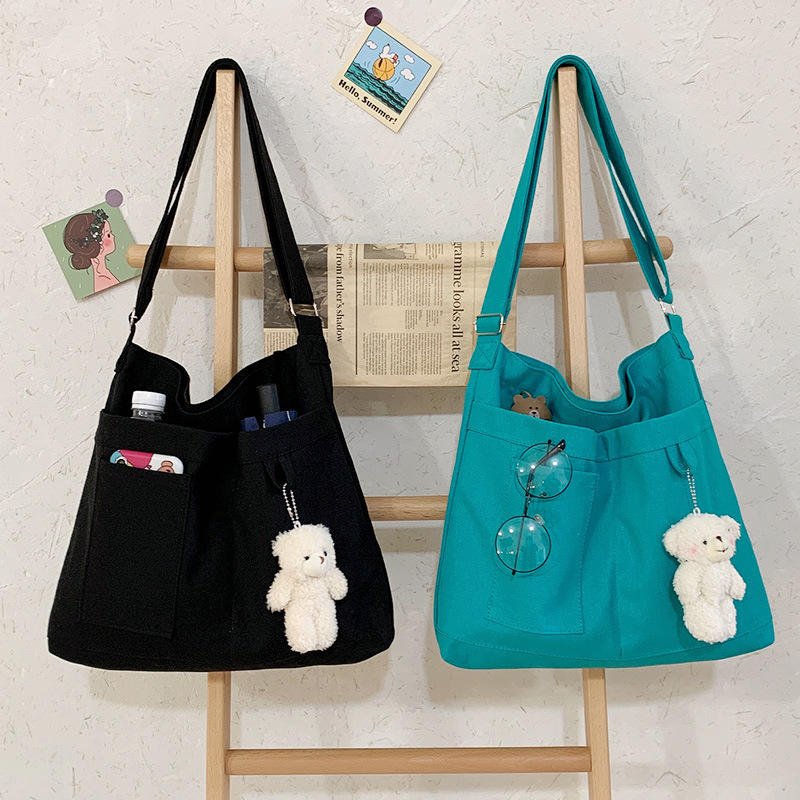
How to Read a Bag Fabric Specification Sheet
A bag can look perfect in a product photo and still fail in real life because the wrong fabric was chosen at the beginning. This is why a fabric specification sheet matters so much in custom

A bag can look perfect in a product photo and still fail in real life because the wrong fabric was chosen at the beginning. This is why a fabric specification sheet matters so much in custom
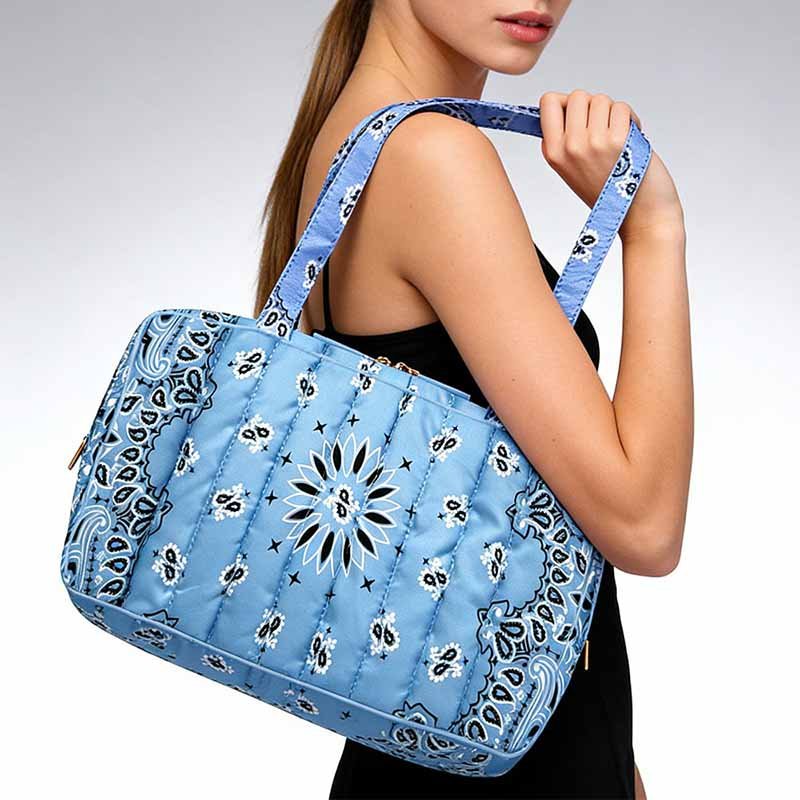
A single custom bag can be difficult enough. A multi-SKU bag collection is a different level of manufacturing risk. Once a project includes several bag styles, colors, sizes, fabrics, linings, logo methods, packaging versions, barcodes, and
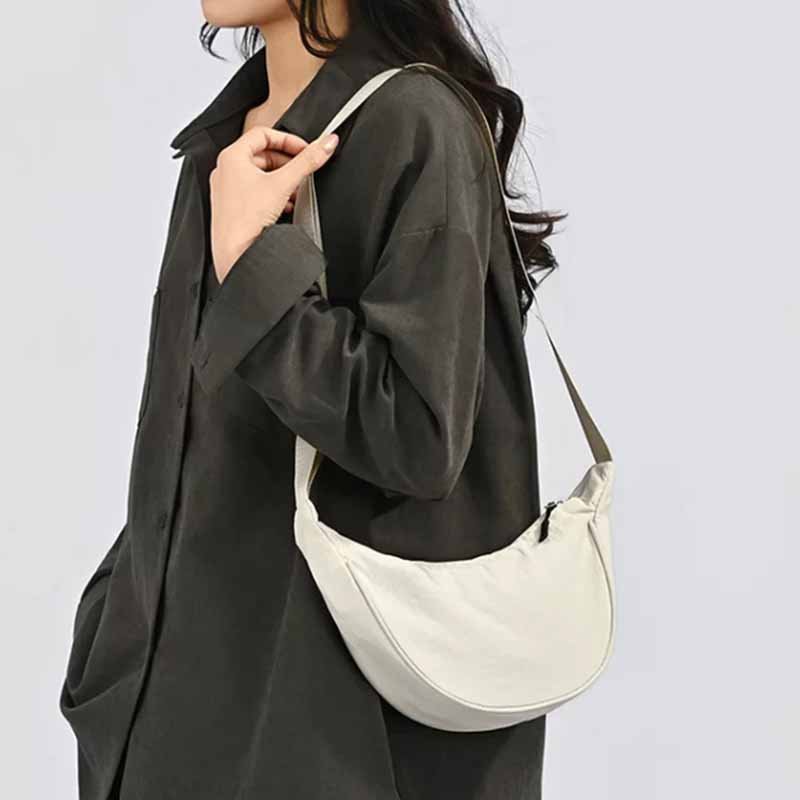
Many bag brands make the same early sourcing mistake: they treat denier like a final quality score. A buyer sees 600D, 900D, 1000D, or 1680D and quickly assumes the higher number must mean a stronger, better,
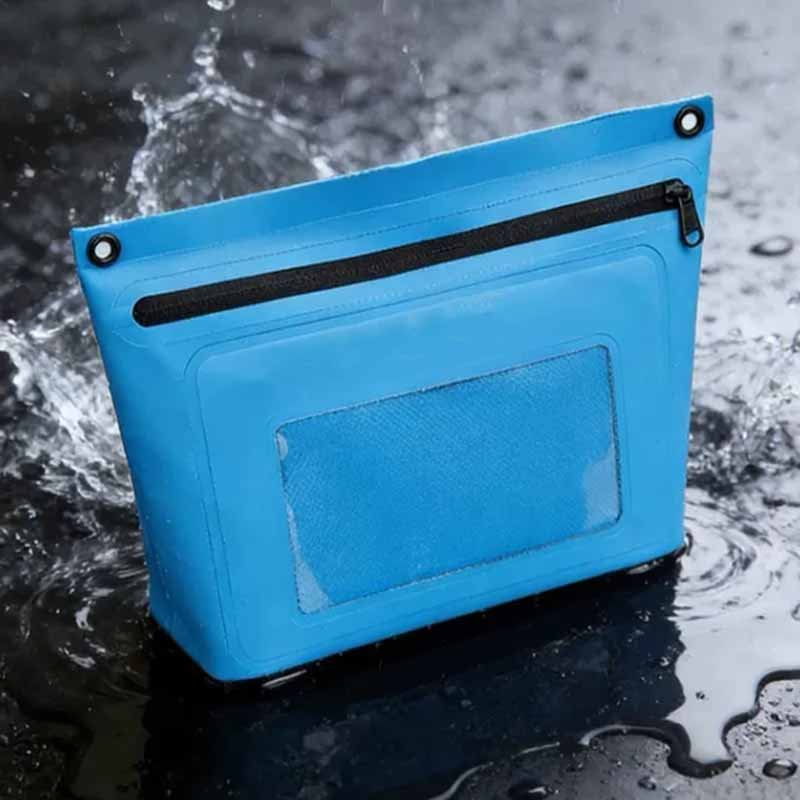
A waterproof bag is not created simply by purchasing fabric labeled “waterproof.” That label describes only one part of the product. Once the fabric is cut, stitched, folded, welded, fitted with zippers, or connected to handles
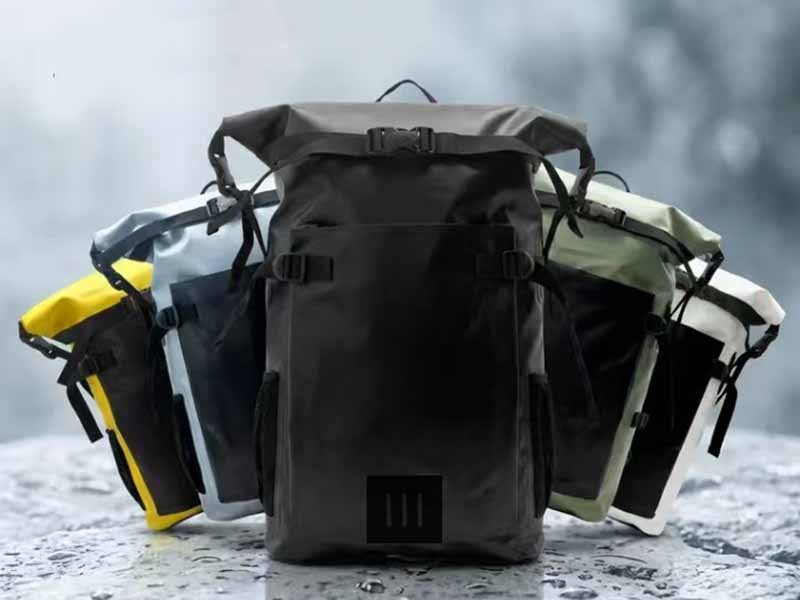
A fabric can look completely waterproof in a showroom and still leak within minutes when it is stretched, pressed against wet ground, or sewn into a finished bag. Water beading on the surface is visually convincing,
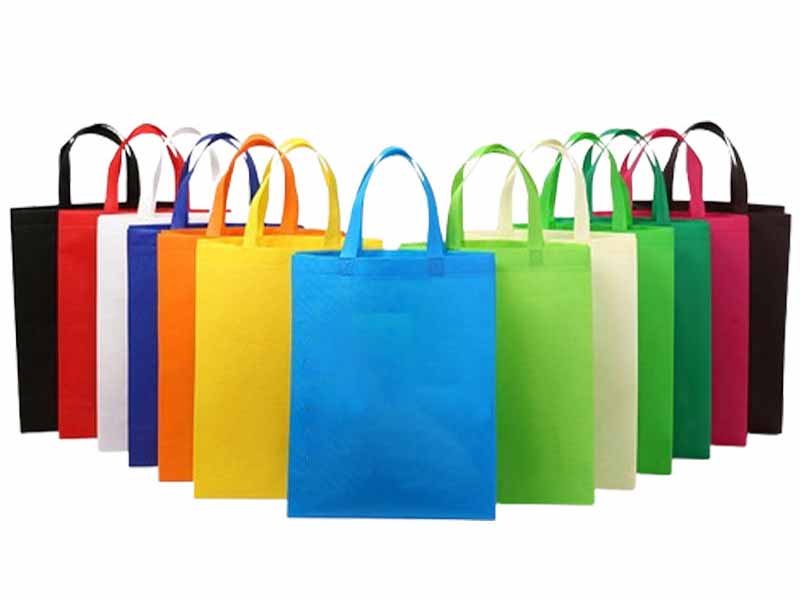
Recycled materials often appear to be a straightforward upgrade: replace virgin polyester with recycled polyester, retain the original bag design, and ask the manufacturer for a revised price. In real production, however, the change reaches much
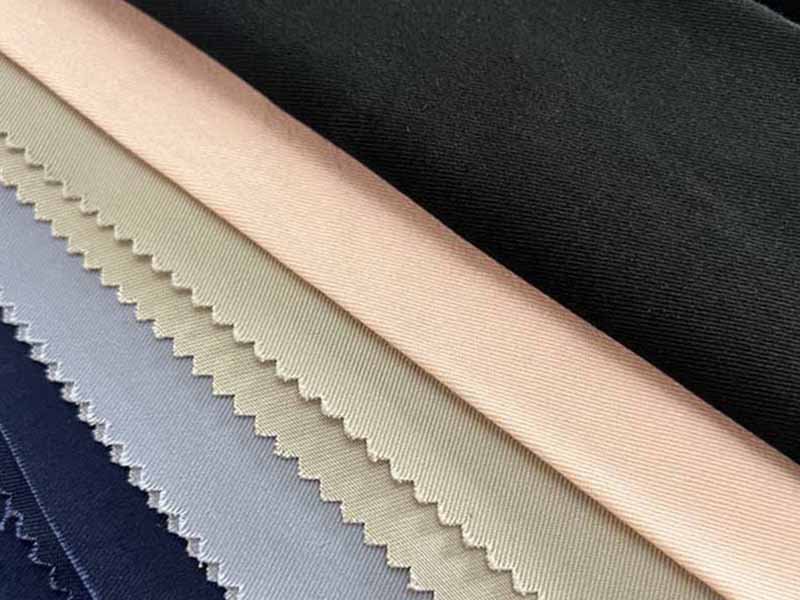
Two fabrics can look almost identical on a sample table. They may have the same color, similar weight, and an equally smooth surface. Yet one may be supported by a traceable certified supply chain, while the
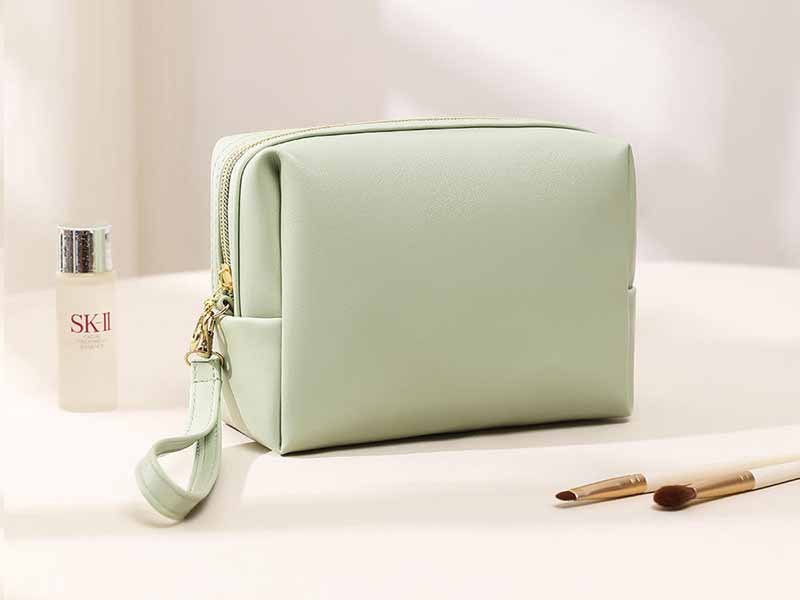
A custom bag may contain more than a dozen material groups before packaging is even counted. The outer fabric may come from one mill, the lining from another, the webbing from a specialized weaver, and the
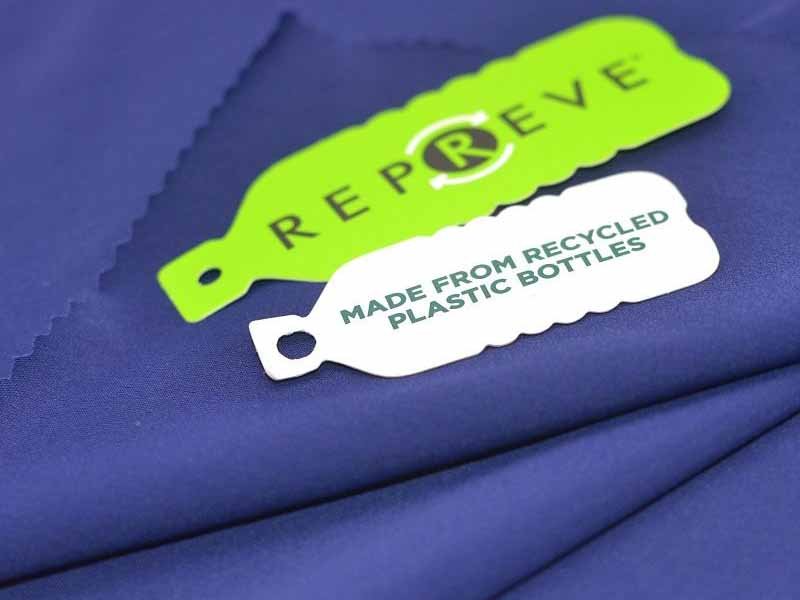
A supplier can add the word “recycled” to a quotation in seconds. Proving the claim is much harder. For a brand buyer, the real question is not whether a fabric looks sustainable or whether a supplier
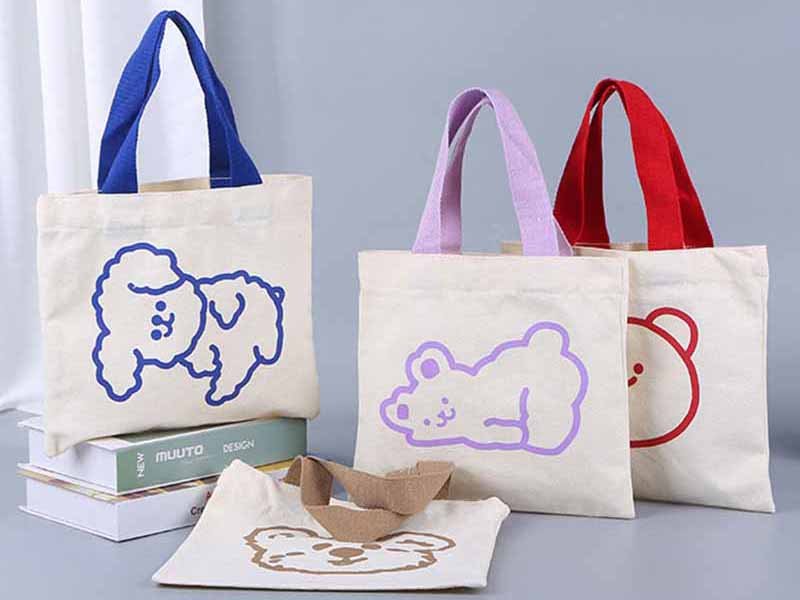
A logo can look perfectly balanced on a computer screen and completely wrong on a finished bag. The artwork may be correct, the colors may match the brand guide, and the dimensions may appear reasonable. Yet
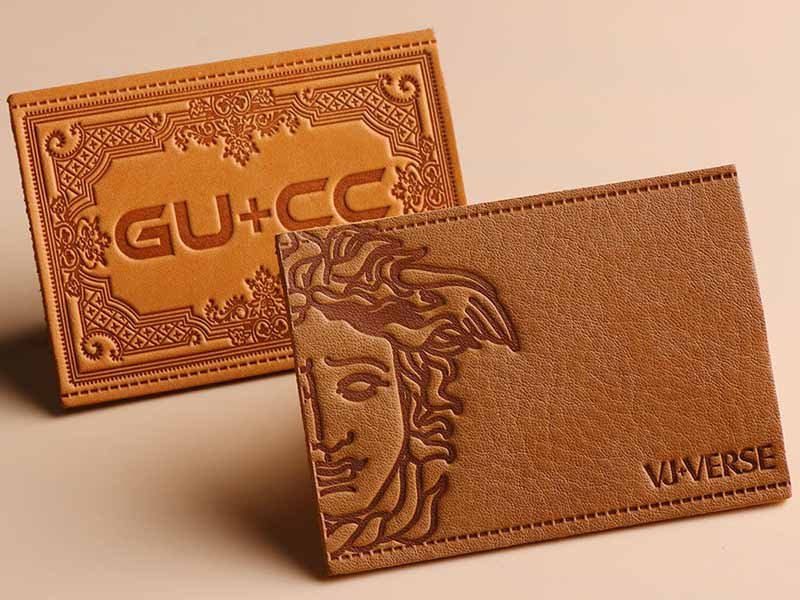
A logo patch may cover only a small part of a bag, but it often carries a large part of the brand’s visual identity. Customers notice its texture, color, edge quality, logo definition, and attachment before
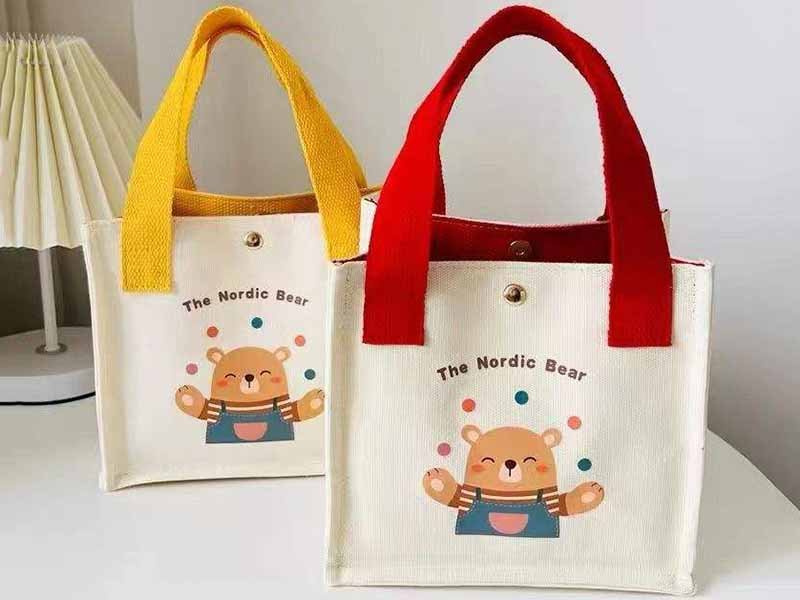
A printed logo can look perfect in a digital mockup and still fail on the finished bag. The color may shift, the transfer edge may lift, a coated fabric may develop a glossy pressure mark, or